
Why Scranton Homeowners Trust Local Basement Waterproofing for Lasting Protection
Wet basements and repeating moisture problems are a fact of life for many Scranton homeowners. Choosing a local basement waterproofing team means the work is planned for our city’s weather, soils, and groundwater behavior — not a one-size-fits-all fix. This guide explains why local solutions outperform generic patches: we define the causes (hydrostatic pressure, freeze–thaw damage), show practical homeowner steps to protect foundations and indoor air quality, and walk through how a professional process moves from inspection to a durable installation. You’ll get clear comparisons (interior vs. exterior systems, sump pumps, French drains, crawl-space encapsulation), homeowner actions you can take today, and straightforward advice for evaluating estimates. Read on for symptom checklists, cost drivers, and short answers to the most common local waterproofing questions so you can decide when to call for a professional inspection.
What special waterproofing challenges come from Scranton’s climate and soil?
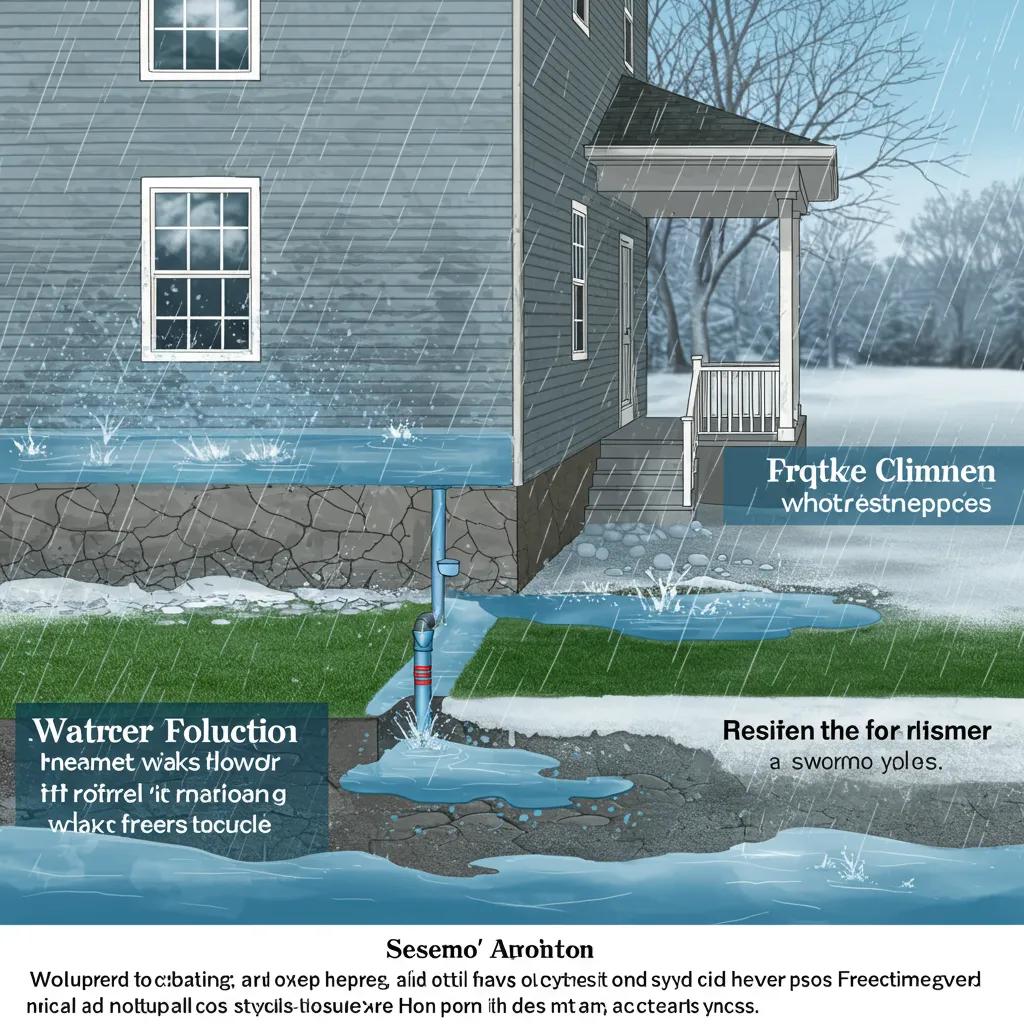
Scranton’s mix of heavy seasonal precipitation, spring snowmelt, and freeze–thaw cycles increases the volume and force of water working against foundations. That translates to higher hydrostatic pressure, groundwater pushing through joints or hairline cracks, and repeated expansion and contraction that widens defects over time. Typical signs include efflorescence, damp patches, and mold growth. Understanding these drivers helps homeowners prioritize site drainage, exterior grading, and the right combination of interior and exterior controls to stop water before it damages structure and finishes. The sections below break down the primary weather impacts and soil-related issues, then move into practical prevention and repair steps.
How do Scranton’s weather patterns increase basement moisture risk?
Heavy rain events and rapid snowmelt raise the local water table and create short bursts of high hydrostatic pressure that can force water through even small foundation defects. Seasonal freeze–thaw cycles further stress concrete and masonry, widening cracks over time. Simple homeowner measures — keeping gutters and downspouts clear, keeping soil sloped away from the foundation, and maintaining surface drains — reduce immediate exposure. Those steps set the stage for targeted waterproofing systems that address the underlying pressure and inflow sources common in Scranton.
Freeze–Thaw Damage and Mitigation Strategies in Cold Regions
Freeze–thaw cycles are a persistent threat in cold regions. When pore water freezes it expands, causing frost heave and structural weakening during thaw. Seasonally frozen areas — covering roughly 55% of exposed land in the Northern Hemisphere — see higher maintenance demands. Research shows that water‑repellent soil treatments and improved drainage can reduce frost-heave effects substantially; laboratory tests of silane treatments on frost-susceptible soils reported frost‑heave reductions in the 57–80% range. These findings underscore the value of keeping water away from foundation soils and using drainage or soil treatments where appropriate.
Influence of freeze–thaw cycling on the dynamic compressive failure of rocks subjected to hydrostatic pressure, Y Xu, 2022
What basement problems are driven by Scranton’s soil and water table?
Local soils and seasonal groundwater elevation often create sustained hydrostatic pressure against foundations. Clay‑rich or poorly drained soils hold moisture and can amplify lateral loads on walls, causing hairline to structural cracks, groundwater seepage, and standing water in low basements. Watch for vertical or stair‑step cracks, efflorescence on walls, and persistent dampness despite surface patching — those signs point to subsurface pressure and drainage problems that require systemic solutions, not cosmetic fixes. That’s why neighborhood‑level soil knowledge matters when designing long‑term repairs.
Impact of Freeze–Thaw Cycles on Rock Strength Under Hydrostatic Pressure
Freeze–thaw cycling degrades rock and masonry over repeated cycles, increasing crack density and reducing strength under hydrostatic stresses. Laboratory tests on porous sandstone exposed to various freeze–thaw counts show progressive weakening and more extensive cracking with higher cycle numbers, especially under confining pressure. These observations highlight why repeated freezing and thawing near foundations can increase leak risk and why drainage and protective measures are essential in cold climates.
Influence of freeze–thaw cycling on the dynamic compressive failure of rocks subjected to hydrostatic pressure, Y Xu, 2022
Why pick a local Scranton waterproofing company?
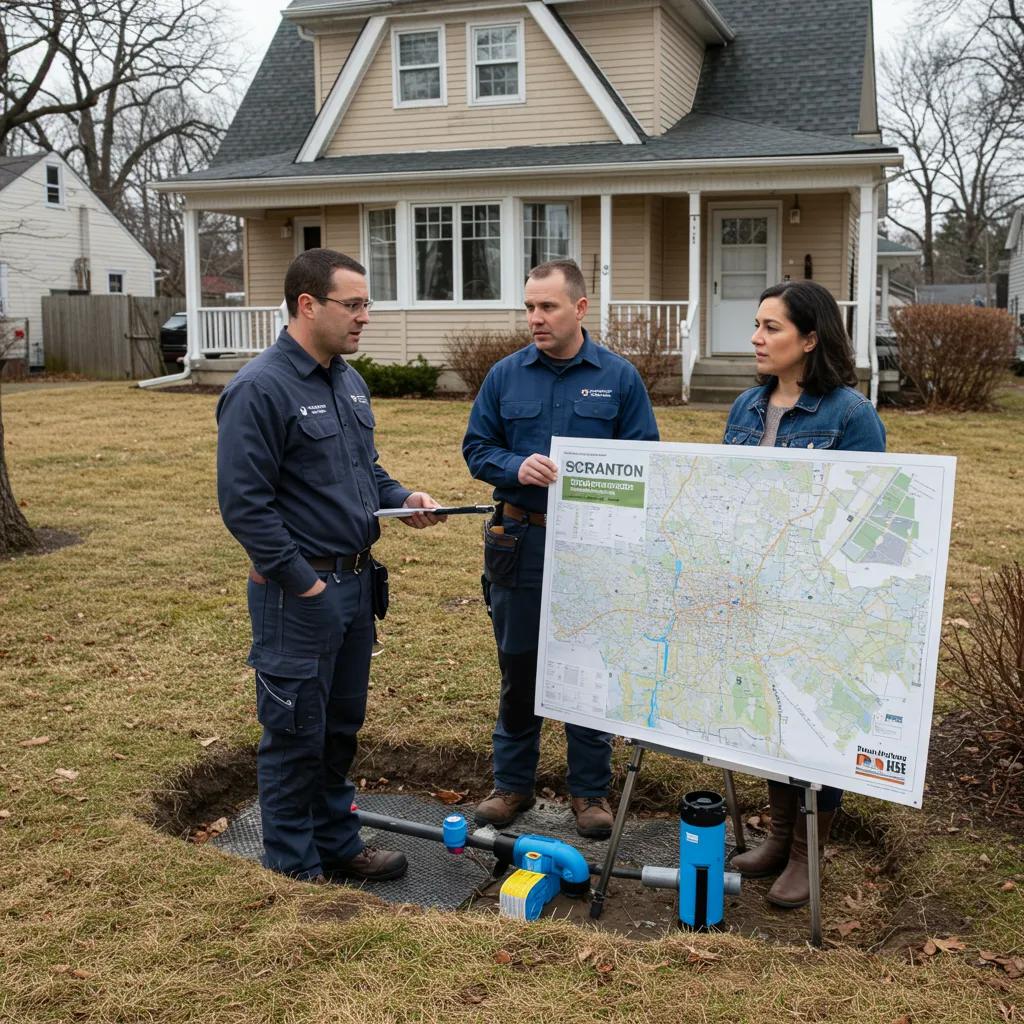
Local contractors bring quicker response times, neighborhood‑specific knowledge of common failure modes, and familiarity with local permitting — all of which lead to faster, more durable repairs. Local teams respond more rapidly to emergencies, deploy crews familiar with how neighboring properties react to storms, and maintain local supplier relationships that streamline complex exterior work. The sections that follow explain how local experience shapes method selection and why fast emergency response can limit damage and reduce remediation costs.
How does local expertise lead to better waterproofing decisions?
Local expertise helps contractors match the approach to subtle variations in soil, slope, and water‑table behavior that national templates often miss. For example, an area with heavy clay and poor surface drainage may need exterior excavation, regrading, and interior drainage together, while a well‑drained lot with minor seepage might do well with an interior drainage system and a sump pump. Neighborhood knowledge reduces the chance of recurring leaks, informs appropriate material choices, and sets realistic warranty expectations. Homeowners should favor contractors who explain why a chosen method fits the local conditions and what maintenance will be required.
Why are rapid response and emergency services important in Scranton?
Quick on‑site response shortens how long water sits in a basement, cutting the risk of mold growth, material damage, and escalating structural issues that widen repair scope and cost. Immediate actions can include temporary pumping, tarping, containment, and quick diagnostics like moisture mapping or crack assessment — all to prioritize permanent fixes. Fast documentation also helps with insurance claims and speeds scheduling for repairs. Ask prospective contractors about local emergency protocols and realistic arrival windows during storms — response time directly affects damage severity.
- Choose local contractors for fast on‑site response, knowledge of neighborhood drainage, and local accountability.
- Those advantages reduce repair escalation, improve long‑term results, and simplify permitting and follow‑up.
- Ask for same‑area references and clear explanations of neighborhood‑specific approaches before hiring.
These local benefits lead naturally into the next section, which looks at a local company applying these principles in Scranton.
These location‑specific advantages show why choosing a local provider matters when planning waterproofing work.
Why Rite Basement Waterproofing Scranton PA is a local choice
Rite Basement Waterproofing positions itself as a Scranton specialist offering services shaped by local climate and soil realities. The company highlights practical trust signals homeowners should check: free estimates, PA licensing and insurance, and flexible payment options. The description below focuses on core services and the value homeowners can expect so you can compare providers and see how local expertise improves long‑term outcomes.
How do 20+ years of local experience improve service quality?
Decades of local work build pattern recognition: experienced technicians spot common neighborhood issues quickly, prescribe durable combinations of interior and exterior measures instead of quick patches, and approve materials that stand up to local freeze–thaw cycles. Longstanding supplier relationships help secure reliable components and consistent installation quality. That institutional knowledge shortens inspections, limits scope creep, and delivers faster, more predictable project timelines and outcomes. Homeowners get solutions that address visible symptoms and the subsurface causes of moisture intrusion.
Which waterproofing services does Rite provide for Scranton basements?
Rite offers a full suite of services to manage basement moisture: interior drainage systems, exterior excavation and perimeter drains, foundation crack repair, crawl‑space encapsulation, sump pump installation (with backup options), and French drain installation. Each service targets a different moisture pathway — sump pumps remove accumulated groundwater, interior drains capture seepage and channel it to a sump, and exterior systems reduce hydrostatic pressure at the source. For complex problems, combining approaches usually gives the best, longest‑lasting result. When comparing proposals, ask which combination is recommended and why it fits your site.
Why do licensing, insurance, and customer satisfaction matter for Scranton homeowners?
Licensing shows a contractor understands local code and permitting; insurance protects homeowners from liability if accidents occur during work. Customer satisfaction metrics, references, and documented workmanship practices demonstrate a contractor stands behind their installations and will provide post‑installation support if needed. Rite’s focus on licensure, insurance, free estimates, and payment flexibility gives homeowners practical protections while they evaluate technical recommendations. The next section explains how a professional process — from inspection through follow‑up — turns those commitments into reliable, long‑term dryness.
These service mappings clarify how specific Rite offerings translate into practical homeowner results in Scranton’s environment.
How Rite’s process delivers a dry basement in Scranton
A dependable waterproofing process starts with a thorough inspection, continues through a customized design that accounts for soil and structural factors, and finishes with professional installation plus scheduled follow‑up to confirm system performance. Inspection identifies entry points and moisture drivers, design pairs complementary methods (for example interior drainage plus sump or exterior excavation plus French drains), and installation follows standards so components work together under hydrostatic pressure. The subsections below explain what to expect during each phase so homeowners can compare bids with confidence.
What happens during the free local inspection and assessment?
On a professional inspection, technicians perform a visual and instrument‑assisted survey: moisture meter readings, crack mapping, gutter and grading checks, sump condition review, and a look for signs of mold or efflorescence. Inspectors document water entry points, assess damage extent, and evaluate site drainage and access to decide if interior, exterior, or combined measures are best. Homeowners simplify the process by clearing access to basement walls and sharing any leak history. A clear inspection report lets you compare recommended scopes and understand the next steps toward a permanent solution.
How are customized waterproofing solutions designed for Scranton properties?
Designs are based on measured site factors — soil drainage, foundation type, water‑table elevation, and observed damage patterns. The goal is to address both pressure and inflow pathways, not just surface symptoms. For many Scranton homes a combined approach (exterior grading improvements, targeted exterior drains where feasible, plus interior drainage to a reliable sump) balances protection, cost, and disruption. Design documents should explain trade‑offs, expected lifespan, routine maintenance, and why certain measures are included or excluded so homeowners can make informed choices aligned with long‑term protection goals.
What does professional installation and follow‑up include?
Installations follow manufacturer best practices and local code. Typical milestones: site prep, component placement (drain tile, membranes, sump wells), backfill and compaction on exterior jobs, plus cleanup to restore the property. Installers should test systems at completion — run the sump pump, verify discharge routing, and confirm interior drainage flow — then document results and give homeowners a maintenance plan. Follow‑up often includes scheduled service checks and warranty coverage that spell out recourse if issues recur. That full process closes the loop from diagnosis to durable protection.
- Typical steps: inspection, scoped design, permit coordination (if needed), installation, testing, and scheduled follow‑up.
- Each step reduces uncertainty and should be clearly described in the proposal so bids are comparable.
- Documented testing and warranties increase homeowner confidence before final payment and for long‑term upkeep.
This process‑oriented approach helps ensure homeowners receive systems sized and installed for Scranton conditions.
What typically drives basement waterproofing costs in Scranton, PA?
Costs vary because they reflect measurable factors: basement square footage, linear footage of foundation walls, severity of structural damage, excavation accessibility, and the chosen method (interior vs. exterior). Accurate pricing requires an on‑site inspection because two homes with similar symptoms can need very different scopes. Focus on the cost drivers and ask contractors to explain how each factor affects the estimate; many local providers offer free estimates and flexible payment plans to help homeowners compare options and plan for durable repairs.
How do basement size and damage severity affect pricing?
Basement area and wall length determine materials and labor — larger spaces mean more trenching, longer drain tile runs, and more liner materials; severe structural damage raises labor and equipment needs dramatically. Minor seepage often needs limited interior drainage and a sump, while major cracks or wall bowing can require foundation reinforcement and much higher cost and time. Ask contractors for “low / moderate / high” pricing ranges tied to damage scenarios so you can see where your property fits and what trade‑offs exist between quick fixes and comprehensive remediation.
How do interior and exterior waterproofing costs compare?
Interior systems are usually less invasive and cheaper up front because they avoid full exterior excavation, but they manage symptoms inside the basement rather than removing hydrostatic pressure at the source. Exterior systems cost more — excavation, drain tile replacement, and regrading add time and expense — but they can offer more complete long‑term protection. The right choice depends on site constraints and root causes: saturated soils and poor exterior drainage often call for exterior work, while interior systems work well where exterior access is impractical. When reviewing estimates, compare scope, expected lifespan, warranties, and the likelihood of supplemental work later.
Below is a simple comparison of common cost drivers and how they affect price and timeline so homeowners can better evaluate quotes.
Understanding these drivers makes it easier to compare bids. Rite offers free estimates and flexible payment plans to help Scranton homeowners move from diagnosis to a reliable plan.
Frequently asked local waterproofing questions
Homeowners ask practical, action‑oriented questions about signs, contractor selection, and prevention. Below are concise, local‑focused answers that point you to the right next step and help with quick decisions or voice‑search results.
How can I spot signs of a wet basement in Scranton?
Look for a musty odor, visible mold or mildew, white efflorescence on masonry, peeling paint, flaking concrete, damp spots after rain, and standing water in low areas. Use a hygrometer to track humidity trends — it can reveal chronic moisture before it’s obvious. If you see multiple signs or persistent odors, schedule a professional inspection to find the root cause. Early detection usually lowers repair scope and cost.
How do I pick the best basement waterproofing service in Scranton?
Ask for local references, proof of PA licensing and insurance, and clear written estimates that define scope and warranties. Request the inspection report that supports their recommendation and ask why they chose an interior vs. exterior approach. Compare proposals on equivalent scopes and check follow‑up and warranty terms. Choose a contractor who communicates clearly, shows local experience, and provides same‑area references.
What causes basement leaks and how can they be prevented locally?
Leaks usually come from surface‑water mismanagement (poor grading, clogged gutters/downspouts) and subsurface pressure (high water table, saturated soils). Short‑term homeowner fixes include clearing gutters, extending downspouts several feet from the house, regrading low spots, and sealing small cracks. Long‑term prevention often requires professionally designed drainage systems, reliable sump pumps, and targeted exterior work where soil conditions demand it. Combining routine maintenance with professional waterproofing gives the most reliable protection.
- Common wet‑basement signs: musty odor, mold, efflorescence, and persistent damp spots.
- Choose contractors with local references, licensing, insurance, and clear written warranties.
- Prevention works best when homeowner maintenance (gutters, grading) is paired with professional drainage solutions.
Rite Basement Waterproofing Scranton PA offers free on‑site estimates and flexible payment options to help homeowners move from diagnosis to trusted repair. Contact details are available through the company’s local listings for scheduling an inspection and getting a tailored proposal.
This FAQ gives practical steps to spot problems early, compare bids, and choose interventions that fix root causes instead of masking symptoms.
What causes basement leaks and how can they be prevented locally?
Leaks arise from a mix of surface‑water issues and subsurface pressure: poor grading, clogged gutters and downspouts, and high water tables. Preventive maintenance — keeping gutters clear, extending downspouts away from the foundation, improving grading, and sealing small cracks — reduces immediate risk and complements professional waterproofing. For persistent issues, consider upgraded drainage systems, a reliable sump pump with backup, and addressing exterior obstructions. Combining homeowner maintenance with targeted professional remediation limits future repair costs and preserves indoor air quality.
- Start now: clear gutters, regrade low spots, and schedule inspections after heavy storms.
- Long‑term fixes may include interior or exterior drainage systems and a sump pump with backup.
- Homeowner upkeep plus professional solutions produces the most reliable protection.
Rite Basement Waterproofing Scranton PA can provide a no‑cost on‑site assessment, explain tailored prevention and remediation options for Scranton conditions, and offer flexible payment plans to help homeowners implement lasting solutions. Contact details for arranging an inspection are available in the company’s local listings and contact channels.
Coordinated homeowner maintenance and professional waterproofing together deliver the most reliable path to a dry basement.
Frequently Asked Questions
What are the signs that indicate I need basement waterproofing?
Persistent dampness, a musty smell, visible mold or mildew, white efflorescence on masonry, peeling paint, cracks in the foundation, or standing water are all clear signs. If you notice rising humidity or multiple symptoms after storms, schedule a professional inspection to find and fix the root cause before damage worsens.
How often should I have my basement inspected for waterproofing needs?
Have an inspection at least once a year and after major weather events (heavy rain or rapid snowmelt). Regular checks catch small issues early and prevent more extensive, costly repairs. A proactive schedule keeps your basement drier and your repair costs lower over time.
What should I expect during a professional waterproofing inspection?
Technicians will visually inspect walls and floors, use moisture meters, map cracks, check gutters and grading, evaluate sump pump condition, and look for signs of mold or efflorescence. You’ll receive a documented report outlining findings and recommended solutions so you can compare proposals and choose a plan that fits your needs.
Are there DIY methods for preventing basement leaks?
Yes. Keep gutters and downspouts clear, extend downspouts away from the foundation, regrade low areas around the house, and seal small visible cracks as a short‑term measure. While helpful, these steps may not replace professional waterproofing for persistent or structural issues.
How can I choose the right waterproofing contractor in Scranton?
Get local references, confirm PA licensing and insurance, request written estimates with clear scopes and warranties, and ask for the inspection report behind their recommendation. Check that they explain why a method was chosen and how maintenance will be handled. Clear communication and documented experience with local conditions are key.
What are the long-term benefits of professional basement waterproofing?
Professional waterproofing reduces water damage and mold risk, protects structural elements, improves indoor air quality, and can increase resale value. It’s a long‑term investment that prevents repeated fixes and protects your home’s health and equity.
Conclusion
Choosing a local basement waterproofing company in Scranton gives you solutions built for our specific weather and soil challenges — faster response, smarter methods, and better long‑term results. Local expertise helps protect your foundation, improves indoor air quality, and preserves your home’s value. Contact Rite Basement Waterproofing today for a free estimate and take the first step toward a dry, secure basement.