
Spotting Basement Water Damage: Your Guide to Common Issues
Did you know that nearly half of all U.S. homes with basements deal with moisture seeping in, which can lead to structural problems and health concerns? Catching water damage in your basement early helps protect your foundation, keeps your indoor air healthy, and saves you from expensive repairs down the road. Our team at Rite Basement Waterproofing Scranton PA specializes in identifying and resolving these issues, offering expert foundation repair.
Basement Water Damage is More Common Than You Think
Almost 50% of U.S. homes with basements experience moisture intrusion, which can cause structural damage and health risks. It’s crucial to detect basement water damage early to safeguard your foundation, maintain good indoor air quality, and avoid costly repairs. We are experts in basement waterproofing Scranton PA, helping homeowners prevent these problems.
In this guide, we’ll walk you through how to spot the most common warning signs—like water stains, efflorescence, mold, musty smells, and foundation cracks. We’ll also cover the root causes, how to diagnose them step-by-step, the health and structural impacts, how each symptom connects to proven waterproofing solutions, when to call in the pros for basement waterproofing in Scranton PA, and how to prevent future problems to keep your lower level dry and secure.
The Most Common Signs of Water Damage in Basements
Basement water damage happens when extra moisture gets into your walls, floors, or foundation, weakening the structure and encouraging mold growth. Spotting these signs early helps prevent major repairs and health issues. The five most common signs are:
- Water Stains and Discoloration
- Efflorescence (Mineral Deposits)
- Mold and Mildew Growth
- Musty, Stale Odors
- Cracks in Walls and Floors
Knowing these main warning signs empowers you to schedule inspections and fixes before problems worsen. Our experienced basement waterproofing Scranton PA professionals are here to help.
Recognizing Water Stains and Discoloration on Basement Surfaces
Water stains show up as irregular yellow, brown, or gray marks on concrete or masonry. This happens when water carries minerals to the surface, signaling ongoing seepage that can wear down building materials.
- Check along where the floor meets the walls, in corners, and behind stored items for streaks or splotches.
- Look at ceilings under plumbing lines for drips or paint that looks swollen.
- Tap on painted surfaces; a hollow sound often means there’s moisture trapped underneath.
These visible stains point to repeated water contact and lead us to another telltale sign: salt deposits known as efflorescence.
Efflorescence Appearance and Causes
Efflorescence is a white, powdery mineral crust that forms on basement walls. It happens when water dissolves salts in concrete or brick and then evaporates, leaving behind deposits that show where moisture is actively getting in.
Here’s a quick comparison of common basement symptoms:
Efflorescence often shows up along with mold and mildew, which we’ll discuss next.
Mold and Mildew as Indicators of Basement Moisture Problems
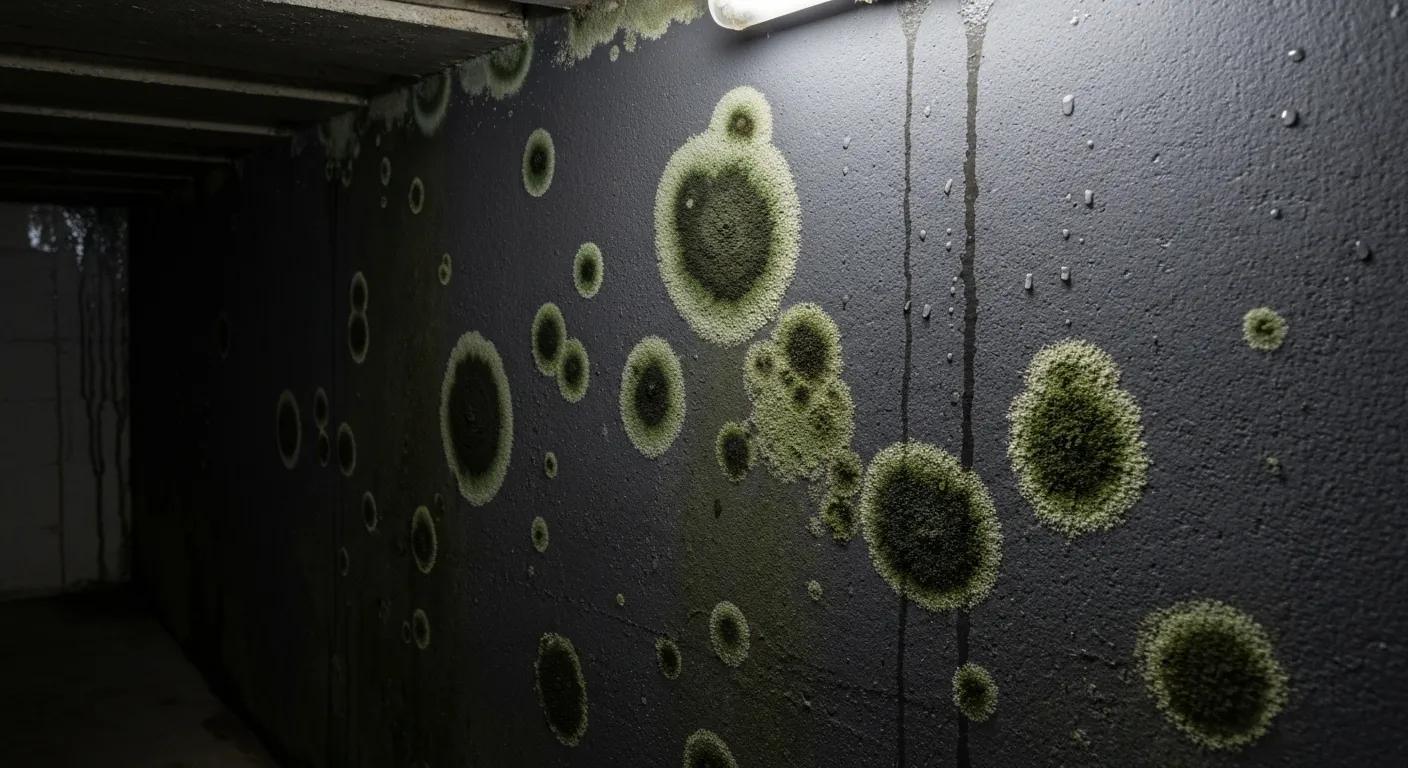
Mold and mildew appear as fuzzy black, green, or pink patches on damp surfaces. They thrive in humid conditions, signaling active moisture that can harm your air quality.
Key issues include:
- Mold spores can trigger allergies and respiratory problems.
- It can stain surfaces and cause wood rot.
- It can lead to structural decay in framing over time.
Mold growth often follows the same paths as water stains or efflorescence, so spotting fungi confirms the need for action.
A Musty Odor as a Warning Sign of Water Damage
A musty odor happens when microbes break down organic materials in damp spots, releasing strong smells that alert you to hidden moisture behind walls or under floors.
Check these common problem areas:
- Underneath floor mats or rugs
- Inside cold-air returns and ductwork
- Behind stored boxes and cardboard
- Near sump pump pits or crawl space entrances
This stale smell often appears before you see any visible signs, guiding you to check hidden areas before cracks become obvious.
Cracks in Basement Walls and Floors Reveal Water Intrusion
Cracks form when the pressure from groundwater and soil movement puts stress on concrete, creating openings for water to seep into your basement.
Common crack types include:
- Hairline: These are surface-level but can get wider under pressure.
- Horizontal: These indicate extreme sideways force and need immediate attention.
- Step/Diagonal: These follow the mortar lines in block walls, showing that the foundation is settling.
Identifying the type of crack helps determine how urgent the repair is and points toward the root cause.
Causes of Water Damage in Your Basement
Basement water damage occurs when a combination of environmental, structural, and operational factors overwhelms your foundation’s defenses. Understanding these causes helps you prevent problems effectively. Key causes include:
Hydrostatic Pressure Leading to Basement Water Problems
Hydrostatic pressure builds up when the groundwater level around your foundation rises. This pressure pushes against the walls, forcing water through tiny pores or cracks, which eventually leads to leaks or seepage on the inside surfaces.
Poor Drainage’s Role in Basement Moisture
When roof gutters are clogged, downspouts are blocked, or the ground around your house isn’t sloped correctly, rainwater can collect near your foundation. This increases the amount of water that needs to be diverted before it can seep into your walls or floors.
Foundation Settlement and Structural Issues Contributing to Water Entry
If the soil under your load-bearing walls compacts unevenly or erodes, it can cause your foundation to shift. This leads to misaligned footings and cracks, from hairline to wide ones, which act as direct entry points for water.
High Humidity’s Effect on Basement Water Damage Risks
When the relative humidity in a closed-off basement stays above 60%, it can cause condensation to form on cool surfaces. Over time, this condensation contributes to damp spots, mold growth, and efflorescence, even if there are no direct water leaks.
Detecting and Diagnosing Water Damage Signs Early
Early diagnosis involves a combination of visual checks and simple tools to find moisture sources before the damage spreads. Following a systematic approach ensures you cover all the bases. Our team is skilled in these diagnostic methods for basement waterproofing Scranton PA.
Step-by-Step Methods to Inspect Your Basement for Water Damage
- Move stored items and clean the corners to expose the surfaces.
- Examine the joints where the floor meets the walls with a flashlight, looking for damp streaks or shiny spots.
- Run your hand over painted or finished walls to feel for any soft or powdery textures.
- Use a hygrometer to measure the relative humidity in different areas.
- Check the sump pump pit for water levels and ensure the pump is working correctly.
A thorough inspection will reveal both obvious and subtle signs, helping you tell the difference between similar-looking issues.
Differentiating Between Efflorescence and Mold on Basement Walls
Efflorescence looks like a dry, chalky white powder that brushes off easily. Mold, on the other hand, appears as fuzzy or slimy dark spots with uneven edges and often gives off a musty smell when disturbed.
When to Be Concerned About Basement Cracks
Cracks that are wider than 1/8 inch, cracks that run horizontally, or cracks accompanied by walls that are bowing inward are signs of structural stress and water entry points that need prompt professional assessment.
Using Moisture Meters and Visual Checks for Damp Areas
Pin-type moisture meters can measure the moisture content behind drywall or concrete, helping you map out wet areas. Infrared thermography can reveal cool spots where condensation or leaks are occurring.
Health and Structural Impacts of Basement Water Damage
If left unaddressed, moisture can weaken your foundation and harm your indoor air quality. Recognizing both the health and structural consequences highlights why it’s so important to act quickly. We understand these impacts deeply as part of our basement waterproofing Scranton PA services.
Health and Structural Impacts of Water Damage
Unchecked moisture can compromise a building’s structural integrity and the health of its occupants. Mold exposure can trigger respiratory issues and allergies, while foundation problems can lead to safety hazards and decreased property value. Our expertise in water damage restoration ensures we address these issues comprehensively.
Mold spores degrade air quality, leaks caused by hydrostatic pressure weaken concrete, and repair costs can skyrocket without early waterproofing measures.
Basement Waterproofing Solutions for Each Sign of Water Damage
Matching specific symptoms to the right solutions ensures your efforts and resources are used effectively, so every warning sign gets the proper fix. Our solutions are tailored for effective basement waterproofing Scranton PA.
Interior and Exterior Waterproofing to Prevent Efflorescence and Mold
Interior sealants and exterior drainage membranes block water from moving through the walls. This stops salt from migrating (efflorescence) and keeps surfaces dry, which prevents mold from growing.
Foundation Crack Repair Methods to Stop Water Intrusion
Epoxy or polyurethane injections seal up hairline and structural cracks. Steel wall-anchor systems are used to stabilize bowing walls and restore their ability to support weight.
Sump Pump Systems for Managing Standing Water and Flooding
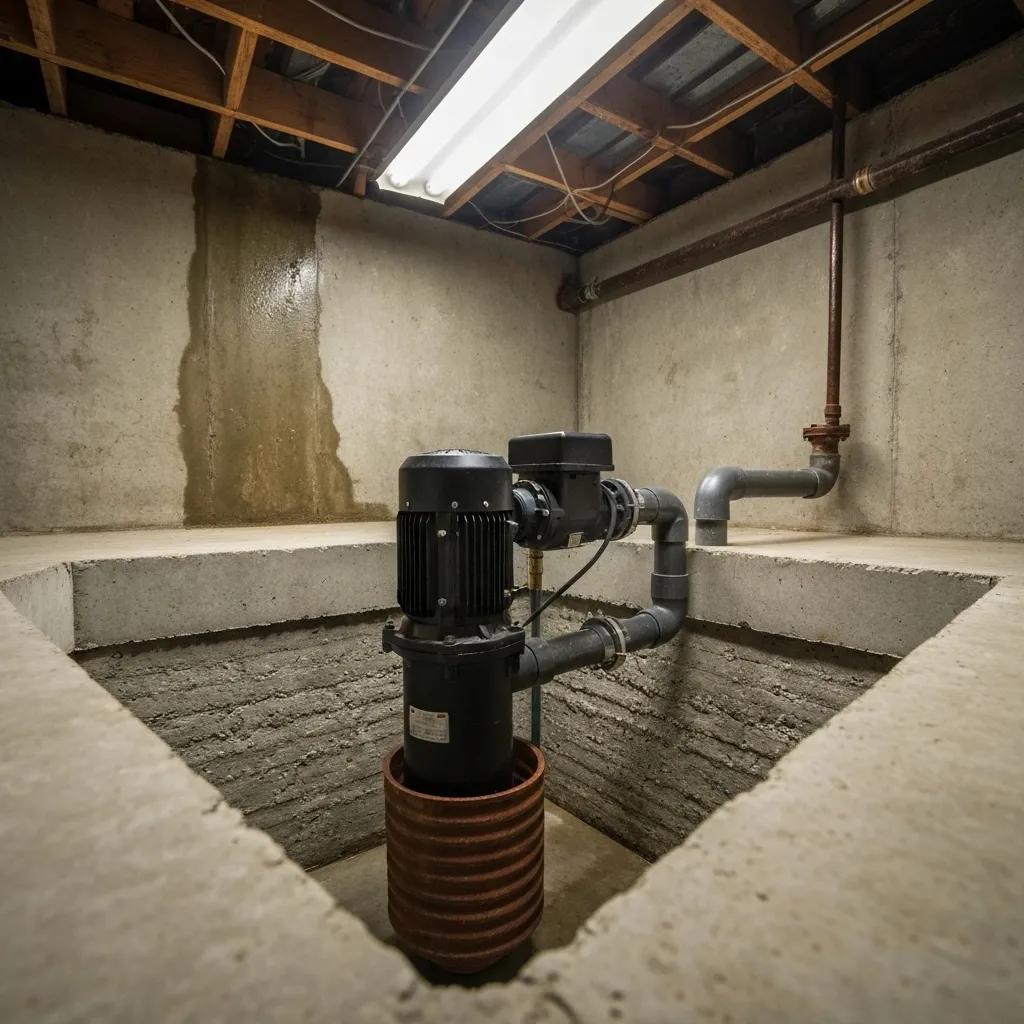
Automatic sump pumps collect groundwater and surface water in a pit and pump it away from your foundation, reducing hydrostatic pressure and eliminating standing water.
Effective Humidity Control and Ventilation Solutions for Basements
Dehumidifiers designed for basement sizes can lower relative humidity to below 50%. Cross-ventilation methods using vent fans or heat-recovery ventilators help balance indoor air and prevent condensation.
Crawl Space Encapsulation to Reduce Moisture Risks
A continuous vapor barrier installed on crawl space floors and walls, along with a sealed vent system, isolates moisture from the ground and stabilizes the humidity levels around your foundation.
Seeking Professional Basement Waterproofing
Bringing in experts ensures a thorough assessment and customized solutions that DIY methods often miss, giving you long-term peace of mind. We offer comprehensive basement waterproofing Scranton PA services.
Benefits of a Free Basement Waterproofing Estimate in Scranton PA
A no-obligation estimate from our team will assess your soil conditions, foundation type, and existing damage patterns. This allows us to recommend effective, code-compliant solutions that fit your budget.
How a Professional Inspection Identifies Hidden Water Damage Signs
Our advanced inspections include infrared thermography, moisture mapping, and structural scanning to find hidden leaks, moisture wicking, and soil pressure that typical DIY checks might miss.
Long-Term Advantages of Early Waterproofing Intervention
Taking proactive steps with waterproofing preserves your foundation’s strength, lowers ongoing maintenance costs, boosts your property’s value, reduces energy bills by controlling humidity, and protects the health of everyone in the home by eliminating mold risks.
Preventing Future Water Damage in Your Basement
Regular upkeep and smart landscaping design help extend the life of your waterproofing systems and protect against new moisture threats. As part of our commitment to basement waterproofing Scranton PA, we provide guidance on preventative measures.
Maintenance Tips to Keep Basements Dry and Protected
- Clean and check your gutters and downspouts twice a year.
- Test your sump pump’s operation and battery backup every spring.
- Reseal wall joints and basement windows every five years.
- Keep indoor relative humidity below 50% by maintaining your dehumidifier.
Consistent maintenance ensures your systems work properly and prevents common failures.
Proper Landscaping and Drainage to Reduce Home Risks
Grading the soil so it slopes away from your foundation, extending downspout discharges at least five feet, and installing French drains all help direct surface water away from your basement walls.
Signs Indicating the Need to Upgrade Your Waterproofing System
If you notice recurring water stains, rising humidity even with a dehumidifier running, visible hairline cracks, or a sump pump that isn’t working right, it’s a sign that your current defenses are aging or not sufficient, and you need professional replacement.
By using regular prevention strategies and making timely upgrades, you can ensure your basement stays dry, safe, and a valuable part of your home for years to come.
Now that you know how to identify, diagnose, and address common water damage signs—from mineral deposits to structural cracks—you’re ready to take action. Trust our experienced team at Rite Basement Waterproofing Scranton PA for free estimates, expert inspections, and lasting solutions designed for local conditions. Put these prevention tips into practice and schedule a professional assessment to protect your basement’s health and your property’s value today.