
How to Choose Between Interior and Exterior Waterproofing
As the leading experts at Rite Basement Waterproofing Scranton PA, we understand that selecting the best waterproofing system is crucial for protecting your home’s foundation and ensuring a dry basement. In this article, we discuss the key differences between interior and exterior waterproofing, assess your specific problems, and review practical aspects such as cost, installation, and long-term performance, helping you choose the right solution for groundwater infiltration, hydrostatic pressure, or persistent moisture issues in your basement or crawl space.
Understanding Core Differences in Waterproofing Approaches
Waterproofing systems control water entry and manage moisture around your foundation. Interior and exterior waterproofing differ in their installation methods and approaches to water problems. Recognizing these differences helps Scranton homeowners make informed decisions that improve property longevity, indoor air quality, and safety.
Defining Interior Waterproofing Systems and Their Applications
Interior waterproofing refers to methods applied inside your basement or crawl space after water has penetrated the foundation. These systems typically include sealants, sump pump installations, interior drainage channels, and vapor barriers. We install interior systems to manage seepage and condensation that has already affected your walls. The primary goal is to control moisture levels, reduce humidity, and prevent secondary damage such as mold growth, mildew, and wood rot—offering a quicker, less-invasive measure to improve indoor air quality.
Defining Exterior Waterproofing Systems and How They Function
Exterior waterproofing is applied on the outside of the foundation before water can infiltrate. This method involves installing membranes, coatings, drainage panels, and sometimes a french drain around your foundation. Our goal with exterior solutions is to keep water away from the building by addressing the issue at its source. In areas with high water tables or heavy rainfall, exterior systems are particularly effective at preventing hydrostatic pressure and water table-related problems.
Primary Goals of Internal Waterproofing Solutions
Interior waterproofing focuses on capturing water once it has entered your foundation. By installing interior drain tiles and sumps, we remove water from the basement or crawl space quickly. These reactive measures reduce indoor moisture, help prevent mold, and manage condensation on basement walls—even if they do not stop water entry completely.
Main Objectives of External Waterproofing Strategies
Exterior waterproofing aims to prevent water from reaching the foundation at all. Our exterior systems intercept water flow using waterproof membranes and exterior coatings that seal cracks. By directing water away with french drains or proper grading, these systems lessen hydrostatic pressure, protecting foundation walls and reducing future repair needs. This proactive approach enhances structural integrity and offers long-term savings.
Contrasting Interior and Exterior Waterproofing Techniques Fundamentally
Interior waterproofing is applied after water infiltration to protect internal spaces, while exterior waterproofing prevents water penetration from occurring. Interior methods tend to be less disruptive and more affordable initially but may require ongoing maintenance. Exterior systems, despite higher costs and more labor, provide a robust, durable barrier against external water pressures. Often, a combined or hybrid approach is ideal for optimal protection.
Assessing Your Specific Waterproofing Needs and Problem Source
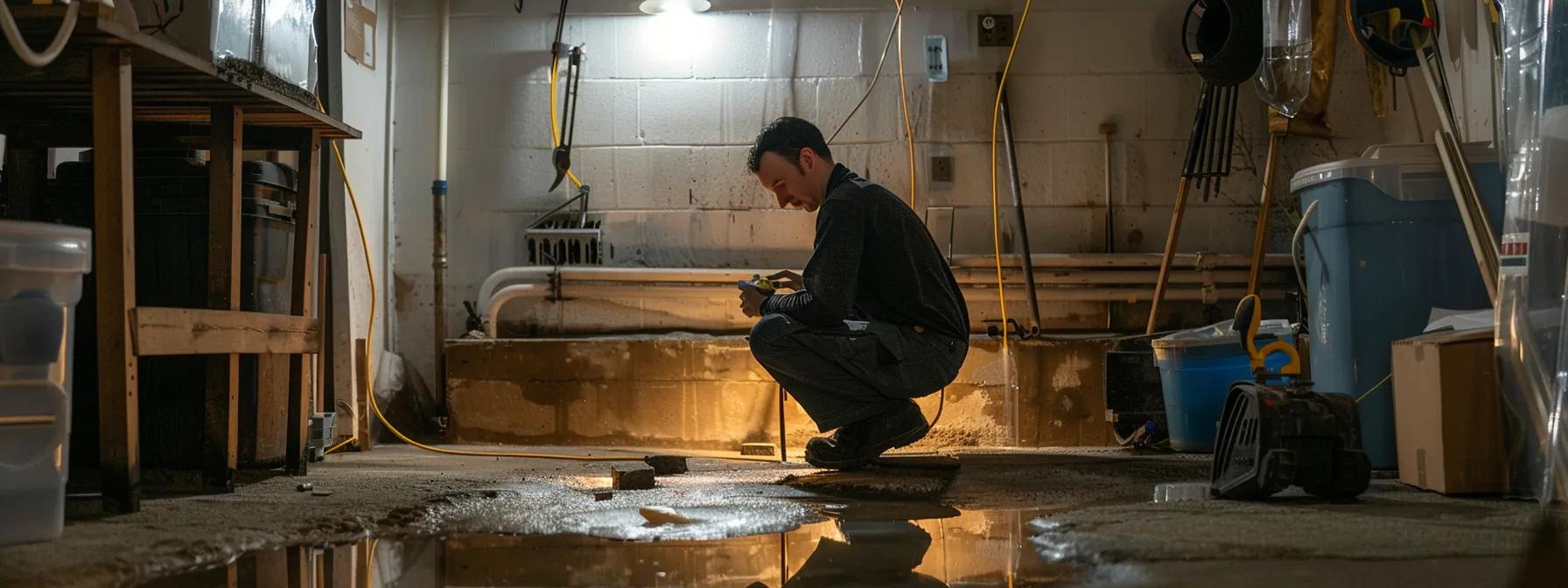
Before choosing a waterproofing solution, it is essential to evaluate your property’s unique issues. We begin by identifying the specific signs and sources of water intrusion in your basement or foundation since each situation requires a tailored approach.
Identifying Common Signs of Water Intrusion Requiring Attention
Typical signs of water intrusion include damp walls, white efflorescence on floors, peeling paint, water stains, and a musty odor. Even minor signs such as condensation or a hint of mold can signal deeper issues. Early recognition allows us to address the moisture before it causes severe structural damage or poor indoor air quality.
Pinpointing the Origin of Your Basement or Foundation Water Problems
Determining the source of water is crucial. Problems may result from surface water accumulation, poor grading, or a high water table. Detailed inspections—often including moisture mapping and monitoring hydrostatic pressure—help us decide if the issue is exterior (heavy rainfall, improper drainage) or interior (condensation, plumbing leaks). Identifying entry points such as cracks or seepage around the slab helps direct us to the most appropriate solution.
Evaluating the Severity of Existing Water Damage to Guide Your Choice
After water intrusion is confirmed, we assess the extent and frequency of the damage. Occasional dampness might be managed with interior sealants, while persistent flooding or seepage signals a more serious structural problem best addressed with exterior waterproofing. Visible damage to walls or floors may require immediate repairs paired with waterproofing measures.
Considering Your Foundation Type and Its Impact on Waterproofing Selection
The type of foundation—whether a poured concrete slab, block foundation, or raised perimeter system—affects the choice of waterproofing. Heavily reinforced concrete walls may respond well to interior drainage systems, whereas older block constructions might benefit from exterior membranes and enhanced drainage solutions.
Determining if Water Issues Stem From Hydrostatic Pressure or Surface Water
It is critical to determine whether water issues are caused by hydrostatic pressure or surface water. Hydrostatic pressure occurs when water in the surrounding soil exerts force on your foundation, common during heavy rains or in high water table areas. In contrast, problems due to surface water may require improved grading alongside interior sump pump systems. Each cause demands a different, targeted treatment.
Comparing the Practical Aspects of Interior Waterproofing Techniques
Practical considerations for interior waterproofing include cost, installation time, disruption, and ease of maintenance—factors that help us match your solution with budget and lifestyle needs.
Examining the Typical Costs Associated With Internal Methods
Interior waterproofing is generally less costly than exterior methods. Installing interior drain tiles, sump pumps, and vapor barriers requires minimal demolition and disruption. Although there is an initial investment in equipment and labor, these methods provide effective, cost-efficient moisture management without needing major structural changes.
Understanding the Level of Disruption During Interior System Installation
A key advantage of interior solutions is their low level of disruption. Since the work is done inside the home, there is no need for excavation or extensive demolition. Our team typically completes interior installations in just a few days, reducing inconvenience while quickly addressing moisture issues.
Reviewing the Installation Speed for Various Interior Solutions
Interior systems, such as crack injections and sump pump installations, are usually completed within 24 to 72 hours. This quick turnaround is especially beneficial during emergencies when water damage is rapidly worsening, allowing you to return to a dry and safe environment promptly.
How Interior Techniques Manage Water After It Penetrates the Foundation
Once water has entered the space, interior techniques intercept and manage it effectively. Installation of drainage systems, sealants, and vapor barriers creates a secondary defense that directs water away from critical areas. Sump pumps extract excess water while sealants fill cracks that could serve as entry points, minimizing further damage.
Accessibility for Maintenance and Repairs of Interior Systems
Interior waterproofing systems offer easy access for routine inspections and maintenance. Technicians can perform regular checks on sump pumps, reapply sealants, or inspect drainage channels without major disruptions, ensuring the system continues to protect your basement over time.
Evaluating the Effectiveness of Exterior Waterproofing Solutions
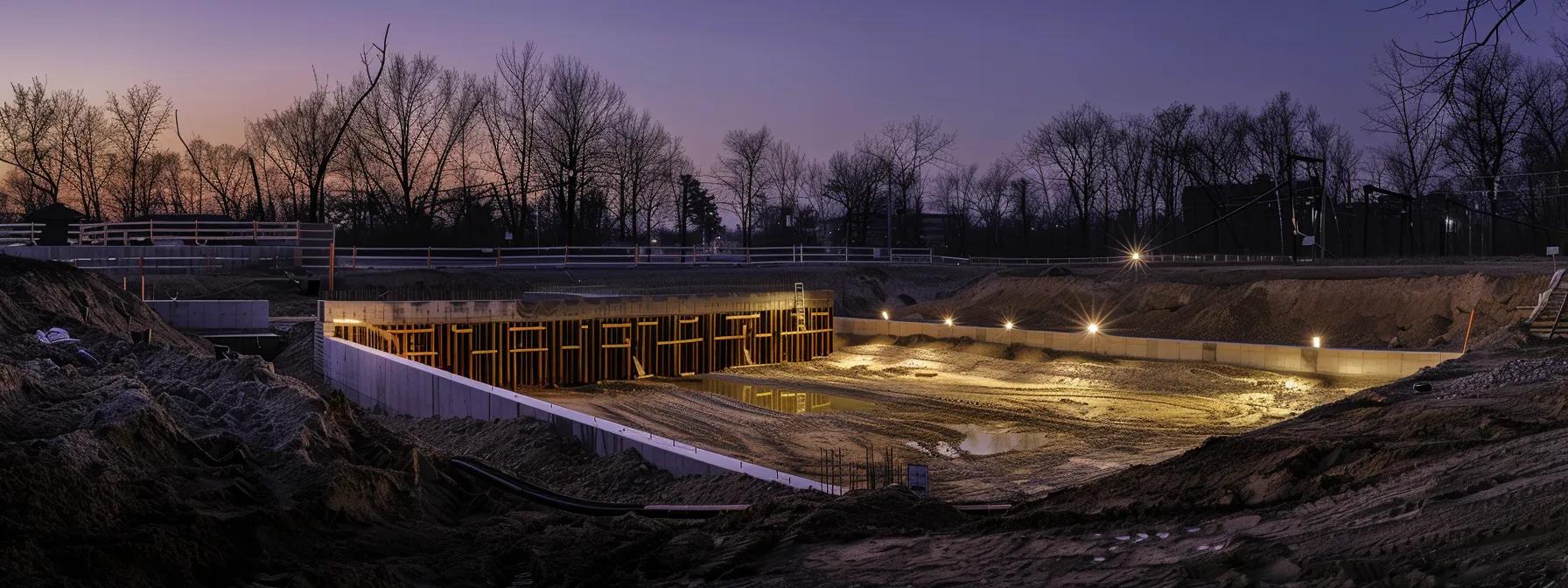
Exterior waterproofing provides a comprehensive method to protect your foundation by preventing water from contacting your walls in the first place. While these systems require a higher initial investment, their durability and long-term effectiveness are well documented.
How Exterior Methods Provide Comprehensive Protection by Blocking Water Entry
Exterior systems create an impermeable barrier around your foundation using waterproof membranes, drainage panels, and specialized sealants. These treatments block water from infiltrating and are often complemented by french drains that steer surface water away from the structure, ensuring effective protection during heavy rainfall and high groundwater pressure.
The Role of Exterior Systems in Preventing Foundation Wall Deterioration
Exposure to consistent moisture can cause foundation walls to crack and deteriorate over time. Exterior waterproofing protects wall integrity by keeping water at bay, reducing risks such as efflorescence and structural degradation. With proper grading and drainage integrated into the installation, exterior systems significantly lower future repair needs.
Long-Term Performance Expectations for Exterior Waterproofing
Engineered for durability, exterior waterproofing systems use high-quality materials like reinforced membranes and bituminous coatings. When properly maintained, these solutions have proven to offer long-lasting protection, helping homeowners avoid episodic flooding and ongoing hydrostatic pressure that can compromise foundation health.
Addressing Potential Structural Foundation Issues With Exterior Approaches
Exterior waterproofing not only prevents further water entry but also alleviates existing structural issues. For foundations showing signs of cracking or bulging, applying an exterior waterproof barrier can reduce the hydraulic pressure on walls, stabilize compromised areas, and prevent further deterioration.
Improving Overall Property Drainage Through External Waterproofing
By channeling water away from your foundation, exterior waterproofing improves overall property drainage. Features like french drains, combined with proper surface grading, ensure that water is quickly diverted from your home, reducing the risk of basement flooding and improving soil conditions around the foundation.
Critical Factors Guiding Your Waterproofing Method Selection
Several critical factors must be evaluated to choose the most suitable waterproofing method, including budget, property-specific characteristics, and local environmental conditions.
Aligning Budget Constraints With the Cost-Effectiveness of Each Waterproofing Type
Budget is a primary consideration. Interior solutions generally have lower initial costs and minimal disruption, making them attractive for immediate moisture management. However, exterior waterproofing, though more expensive upfront due to excavation and materials, often results in lower long-term maintenance costs and higher durability. For many Scranton property owners, balancing short-term expenses with long-term benefits is essential.
Matching the Waterproofing Technique to the Extent and Nature of Water Damage
The severity and cause of water damage guide our choice. Minor seepage or isolated cracks can be effectively managed with interior sealants, while extensive water pressure from a high water table or poor exterior drainage calls for a comprehensive exterior solution. Our thorough assessment ensures that the selected method corresponds to the specific damage pattern.
Assessing Foundation Wall Accessibility for Interior Versus Exterior Treatments
The physical accessibility of your foundation influences the decision. Interior waterproofing is optimal when basement walls are easily accessible, especially in finished spaces. If significant portions of the foundation are exposed outside or if excavation is practical, exterior waterproofing becomes feasible and often more effective.
Considering Long-Term Durability Requirements for Your Chosen Method
Long-term protection is a key factor. While interior solutions manage water after infiltration, they require periodic reapplication. Exterior systems, designed to withstand environmental stresses, generally offer more lasting protection. At Rite Basement Waterproofing Scranton PA, we focus on solutions that enhance property value and reduce future repair needs over the long term.
How Local Climate and Soil Conditions Influence Waterproofing Decisions
Local weather and soil types greatly affect waterproofing performance. In Scranton, PA, seasonal changes, heavy rainfall, and freeze-thaw cycles demand waterproofing systems that are resilient. The soil type—whether clay, sandy, or loamy—impacts drainage and hydrostatic pressure, guiding us to recommend a method that best suits your region’s specific challenges.
Making the Optimal Choice Between Interior and Exterior Waterproofing Techniques
The final decision between interior and exterior waterproofing requires balancing immediate needs with long-term property protection. We work closely with each client to evaluate their unique circumstances and recommend a solution that meets both current issues and future durability goals.
Situations Where Interior Waterproofing Techniques Offer the Best Solution
Interior waterproofing is ideal when water issues are localized and immediate remediation is needed without extensive structural work. If your basement shows minor seepage or condensation in confined areas, interior treatments like sealants, sump systems, and drainage installations can quickly rectify the problem. This approach is also useful when exterior modifications are impractical or too costly.
Scenarios Favoring Exterior Waterproofing Methods for Lasting Results
Exterior waterproofing is the best option for persistent water problems driven by high groundwater levels or inadequate exterior drainage. When your foundation faces constant heavy rainfall or water accumulation due to poor grading, addressing the issue from the outside offers comprehensive, long-term protection. If structural damage such as wall cracking is evident, an exterior solution provides a robust defense by stopping water at the source.
Exploring Hybrid Approaches Combining Interior and Exterior Waterproofing
In some cases, a hybrid approach that combines interior and exterior methods may be optimal. This strategy addresses both prevention and remediation; exterior membranes keep water away from the foundation while interior sump pumps and drainage systems manage any water that still infiltrates, ensuring redundancy and overall protection.
Seeking Professional Assessments for an Informed Waterproofing Decision
Due to the complexity of waterproofing challenges, seeking a professional assessment is essential. Our experienced technicians perform detailed inspections, including moisture mapping and structural evaluations, to determine the exact cause and extent of water issues. This expert evaluation ensures that we recommend a solution that is both effective and economically viable.
Weighing the Benefits of Immediate Solutions Against Long-Term Property Protection
Ultimately, the choice between interior and exterior waterproofing depends on balancing short-term relief with long-term protection. Interior solutions provide immediate moisture control, while exterior waterproofing, although more involved, offers lasting defense against water infiltration. We help our clients weigh these factors to select the solution that best aligns with their financial considerations, immediate needs, and desire for long-term property durability.
Table: Comparison of Interior and Exterior Waterproofing Methods
Before we conclude our in-depth analysis, the table below summarizes the key differences and benefits of each waterproofing method.
This comparison highlights that while interior systems are rapid and cost-effective for managing existing moisture issues, exterior systems offer a robust, preventive safeguard for long-term foundation protection.
Frequently Asked Questions
Q: What is the main difference between interior and exterior waterproofing? A: Interior waterproofing manages water already inside the foundation using sealants, sump pumps, and drainage channels, whereas exterior waterproofing prevents water entry by installing membranes, drainage systems, and exterior coatings.
Q: How does hydrostatic pressure affect my foundation? A: Hydrostatic pressure from water buildup can force water through wall cracks, leading to structural damage. Exterior waterproofing is generally more effective at mitigating these forces by blocking water before it reaches the foundation.
Q: Can I combine both interior and exterior waterproofing methods? A: Yes, many projects use a hybrid approach. Combining both methods ensures that if water bypasses the exterior barrier, interior systems will control and remove the moisture.
Q: What are the cost implications of interior versus exterior waterproofing? A: Interior waterproofing usually has a lower initial cost and less disruption, suitable for immediate moisture management. Exterior waterproofing, while more expensive upfront due to excavation and materials, offers superior long-term durability and reduced maintenance costs.
Q: How often do maintenance and repairs need to be performed on interior waterproofing systems? A: Interior systems typically require annual inspections and maintenance to ensure effective operation of sump pumps, drainage channels, and sealants.
Q: Which method is better suited for older foundations with visible cracks? A: For older foundations with significant cracks and structural stress, exterior waterproofing is often preferred, as it stops water before penetration and can help stabilize the foundation.
Q: How does soil type influence the choice of waterproofing method? A: Soil type affects drainage and hydrostatic pressure. Dense clay soils that hold water benefit more from exterior waterproofing with proper drainage (e.g., french drains), while sandy soils may be adequately served by interior methods.
Q: Can waterproofing improve indoor air quality? A: Yes, by controlling moisture and preventing water infiltration, waterproofing helps reduce mold and mildew growth, significantly improving indoor air quality in basements or crawl spaces.
At Rite Basement Waterproofing Scranton PA, we are committed to ensuring that every property we serve remains dry, healthy, and structurally sound. Whether you choose an interior solution, an exterior system, or a hybrid approach, our goal is to offer long-lasting protection against water intrusion. Our experienced team is ready to assess your property’s needs and deliver an effective waterproofing solution to safeguard your foundation, enhance indoor air quality, and provide peace of mind.
In conclusion, understanding the fundamental differences between interior and exterior waterproofing—and assessing your property’s specific conditions—guides you toward the best investment for your home’s longevity. By considering factors such as initial cost, installation disruption, maintenance, and long-term durability, you can choose a strategy that effectively mitigates water damage risk. We invite you to contact Rite Basement Waterproofing Scranton PA for a professional assessment and a customized solution that meets your property’s needs.
By following these guidelines, we protect your property from water infiltration while enhancing overall structural safety. We remain dedicated to providing top-quality basement waterproofing services in Scranton, and we look forward to working with you to create a dry, secure, and comfortable environment for your home or business.